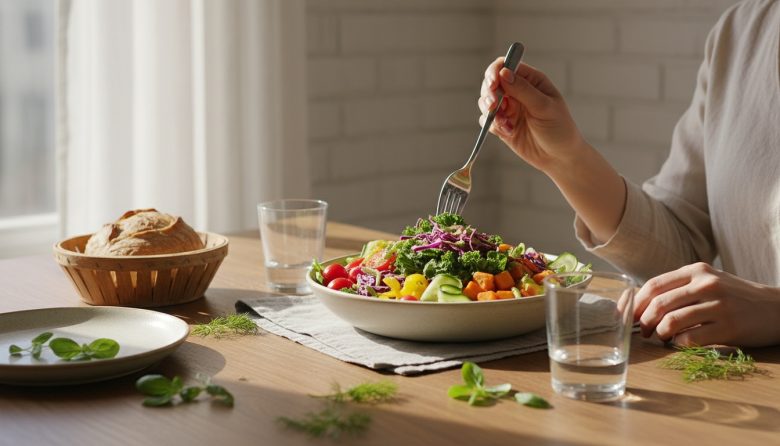
I remember those days when lunch was gulped down between emails, leaving me feeling scattered and still hungry somehow. One afternoon, I paused just long enough to notice the warmth of sunlight on my hands and the simple joy of a fresh apple’s crunch. That’s when mindful eating started to settle into my routine, turning rushed bites into calm, nourishing moments.
Mindful eating is about easing into awareness at the table, noticing your food and body with gentle kindness. It softens digestion, helps you enjoy flavors more deeply, and brings a quiet comfort to meals. Let’s walk through some easy ways to invite this in, one small step at a time.
Be kind to yourself as you try—just pick one tip to start tomorrow.
Sensing Hunger with a Quiet Check-In
Our bodies whisper when they’re truly hungry, but busy days often drown out those signals with habit or stress. Next time you reach for a snack mid-afternoon, pause for a breath. Ask yourself: Is this my stomach rumbling, or just a pull from boredom?
Try this simple routine: Rate your hunger on a scale from 1 to 10, where 1 is stuffed and 10 is faint. If it’s around a 4 or 5, ease into eating slowly. This quiet check-in supports better choices without any pressure.
Over time, it builds a gentle trust in your body’s cues. You’ll find meals feel more satisfying, like that time I chose a warm soup over chips and felt truly settled afterward.
Setting a Soft Space for Your Meals
A calm spot at the table invites your mind to settle, much like dimming lights before bed. Clear away phones or papers, and let the space breathe. Even a small vase of flowers or a soft napkin can soften the moment.
Here’s a short list of three easy ways to settle your table:
- Place your meal by a window for natural light.
- Light a candle if evenings feel right.
- Arrange food simply, like in a Balanced Meal Prep Plan for Busy Weekdays.
Eating there turns ordinary dinners into quiet comforts. I once ate a simple salad overlooking my garden, and the colors alone made it feel special.
Breathing Into Each First Bite
Before your fork lifts, take three slow breaths—in through your nose, out through your mouth. This pause eases the rush, letting flavors unfold naturally. It’s like giving your meal a gentle welcome.
Picture family dinners where everyone slows down, sharing stories between bites. One evening, my neighbor tried this with her kids; laughter flowed easier, and plates emptied with real savoring. No more gulping—just presence.
This small habit supports digestion right from the start. You’ll notice tensions soften, bite by bite.
Your Simple Path to Mindful Bites
Building mindful eating doesn’t need big changes; a week of gentle steps can weave it into your days. Start wherever you are, maybe with breakfast or that evening tea. Each one supports the others, creating a calm rhythm over time.
These five steps offer a soft path forward. Try them one per day, or mix as feels right. They draw from everyday moments, like sipping morning coffee with awareness.
- Start small: Pause for 30 seconds before eating. Notice the colors and smells rising from your plate. Let this quiet moment settle you in.
- Remove screens: Eat with hands on the table, palms down. Feel the wood or cloth beneath, anchoring you to the now. This simple touch grounds distractions away.
- Chew 20 times: Notice textures and flavors as they shift. A carrot’s crisp turns sweet, revealing layers you might miss in haste. Savor without counting too strictly.
- Check in midway: Ask if you’re still hungry on that 1-10 scale. Halfway through, set your fork down for a breath. This eases overfull feelings gently.
- End with thanks: Savor the last bite slowly, perhaps whispering a quiet note of gratitude. Let the fullness linger like a warm hug from your meal.
After a week, reflect: Which step felt easiest? Carry that one forward with kindness.
Easing Cravings with Kind Awareness
Cravings arrive like uninvited guests, pulling toward sweets or salty bites. Instead of pushing them away, observe with soft curiosity—what flavor are you really seeking? This awareness often softens their grip.
Reach for a cup of herbal tea, warm and soothing, letting steam rise as you breathe. Or pair it with a handful of nuts, noticed fully. Like noticing thirst in a Simple Daily Hydration Routine for Wellness, kindness here supports true needs.
Be gentle if you indulge—no judgment, just return to presence next time. Over days, urges quiet, leaving room for what nourishes deeply.
Carrying Mindfulness to Snacks and Sips
Quick bites between tasks deserve the same calm touch. For afternoon snacks, pause as with meals—check hunger, breathe first. A piece of fruit or yogurt becomes a small ritual.
Try this routine for tea: Hold the cup, feel its warmth spread through your hands. Sip slowly, noting herbal notes or steam’s rise. It mirrors the ease of an Easy Veggie Smoothie Routine for Breakfasts.
Mindfulness flows everywhere.
These habits settle into snacks naturally.
FAQs
Can I still enjoy treats mindfully?
Yes, fully—savor chocolate or ice cream with slow bites and full presence. Notice the melt and sweetness without rush. It’s about kind enjoyment, easing any guilt into simple pleasure.
What if I forget during busy days?
Forgetfulness is part of life; no need for perfection. Pick one meal tomorrow, like lunch, and return gently. Small returns build the habit softly over time.
Does this help with overeating?
It supports tuning into natural fullness cues, often leading to easier portions. Bodies signal enough when heard clearly. Comfort grows as awareness settles in.
How long until it feels natural?
A few weeks of gentle tries usually brings calm familiarity. Some notice shifts in days, others linger kindly. Your pace is perfect.
Is this safe for everyone?
These soft tips suit most folks, supporting everyday ease. For specific health needs or conditions, chat with your doctor first. Always honor your body’s wisdom.
Pick one small step for tomorrow, like that first breath before eating. Be kind to yourself along the way—mindful moments unfold with patience. Your table awaits with quiet comfort.